
Newsletter
the first on-chain M&A
Hey, it’s Marc, WE keep a running list of how institutions actually use blockchain. Not what they announce. What they do. Yesterday, Franklin Templeton added something new to that list.[RELEASE] They bought a crypto team. Normal. They launched a new division. Fine. But here’s the part that matters: they paid for part of the deal with BENJI tokens. Their own tokenized money market fund shares. On-chain. Earning yield. A $1.74 trillion asset manager just used a blockchain token to settle a corp
Arizona is lending its Bitcoin
Hey, it’s Marc, I've been tracking every state Bitcoin reserve bill for the past year. They all do the same thing: buy Bitcoin, hold Bitcoin, repeat. Arizona apparently found that boring. Two bills just cleared committee that would let the state treasurer lend seized crypto for yield. Also, $7.43B of public pension money is now eligible for crypto. Celsius died doing this. Arizona wants to try it with retirement funds. [RELEASE] Let’s unpack. The Signal: U.S. public capital (treasuries and p
Europe's $2.3T manager went on-chain
Hey, it’s Marc! Europe’s largest asset manager decided to skip paying the operational tax and brought its fund distribution infrastructure on blockchain. Amundi (€2.4T AUM) moved $100M onto public blockchains (Ethereum and Stellar). And, it is the firm’s second blockchain-based product in five months. [RELEASE] Let’s unpack. [RELEASE] 👉PRO: Download the PDF below Ceo Notes Amundi Tokenised FundsCeo Notes Amundi Tokenised Funds807 KBdownload-circle The Signal: Europe's largest asset manager

Morgan Stanley is building a full-stack crypto bank
Morgan Stanley is transitioning from a distributor of third-party crypto products to a direct issuer and platform provider. And, it is going to become the first U.S. bank to issue an ETF directly. In March 2026, the firm filed an amended S-1 for its own spot Bitcoin ETF. That filing landed one month after the bank applied to the OCC for a federally chartered crypto trust subsidiary. Beyond Bitcoin, they are also focusing on yield and filed for Ethereum and Solana ETFs in January 2026. [FILING]

who owns the agent economy?
On March 18, 2026, Stripe and Tempo co-released the Machine Payments Protocol, an open specification for machine-to-machine payments.

Wall Street just put stocks on a blockchain
On March 18, the SEC approved Nasdaq to trade and settle U.S. equities as blockchain tokens.
the SEC sorts its tokens
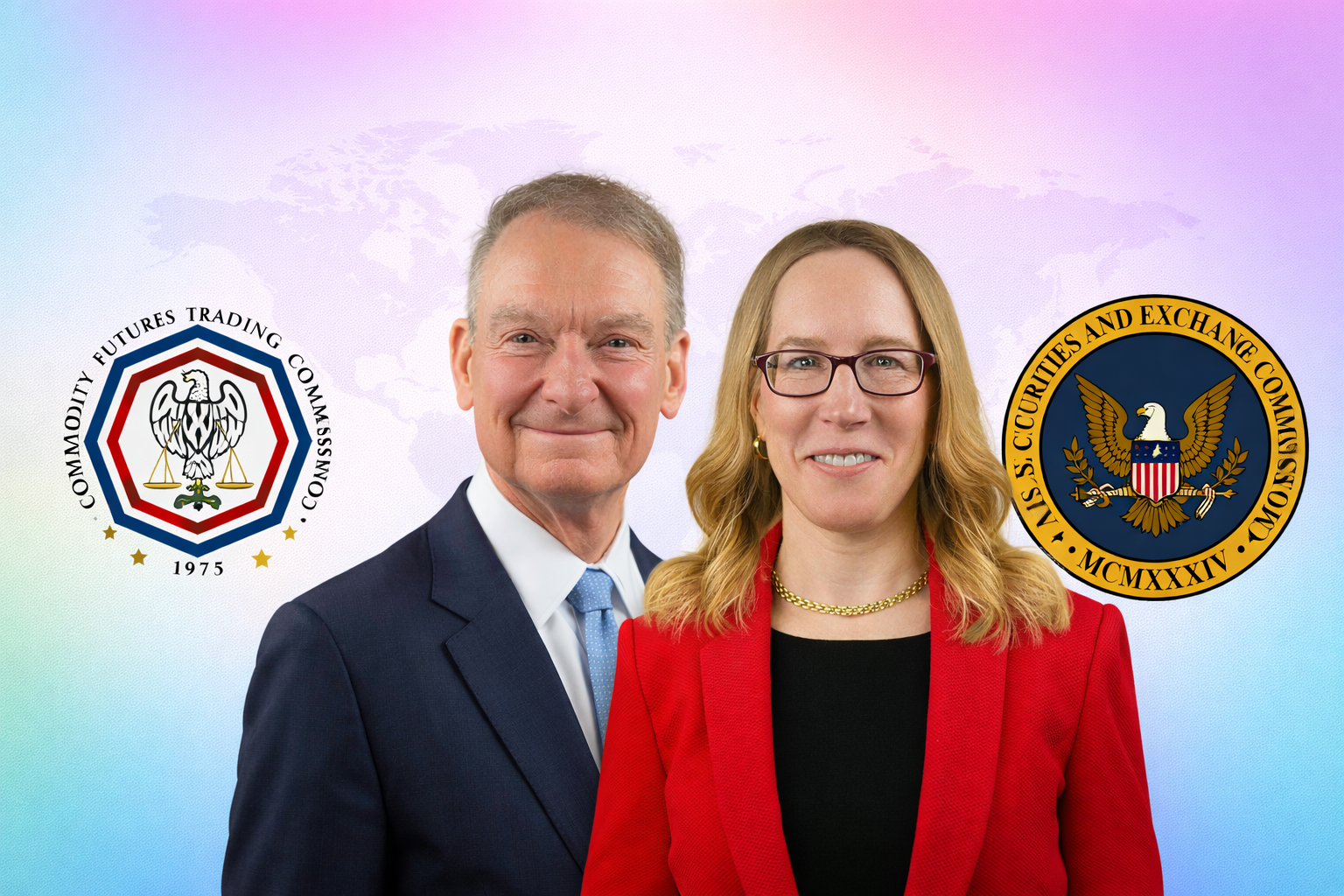
Hey, it’s Marc, For the first time ever in their combined 183 years of existence, the SEC and CFTC published a joint document agreeing on what crypto actually is. They named 16 specific tokens as commodities. They said staking isn't a security. And they formally acknowledged that a security can stop being a security. That last part is the one that changes everything. [RELEASE] The Signal: Most crypto tokens aren’t securities by default, and their regulatory status depends on how they’re used
Mastercard acquired BVNK for $1.8B
Coinbase had a $2 billion offer on the table in November 2025. Then it walked. ZeroHash walked away from a $2 billion Mastercard’s takeover in January. Then in March, Mastercard paid $1.8 billion for the exact same company. Mastercard agreed to acquire BVNK, a UK-based stablecoin infrastructure company, for up to $1.8 billion, $300 million of which is contingent on performance milestones. This is about plumbing for autonomous payments, reputation and distribution. Let’s unpack. [RELEASE] 👉
Florida's stablecoin bill
Hey, it’s Marc, JPMorgan closed Trump’s accounts. Congress froze on crypto regulation. Whereas, Florida just built the first state-level stablecoin regulatory system in America. And it did it unanimously. In one legislative sprint, the state passed a stablecoin issuance framework, authorized a potential $24B+ sovereign digital asset allocation, and launched a pilot to accept crypto for state taxes. It’s a live fork of the U.S. financial system. [RELEASE] 👉PRO: Download the PDF below Subscr
NYSE's parent just bought 120M crypto users
Hey, it’s Marc, Thirteen months ago, OKX paid $504M to the DOJ for running an unlicensed money-transmitting operation. On March 10, the NYSE’s parent company ICE ($90B operator) handed them a board seat and a Wall Street halo in exchange for access to 120M users. [RELEASE] 👉PRO: Download the PDF below Ceo Notes Ice X OkxCeo Notes Ice X Okx768 KBdownload-circle What happened On March 5, 2026, Intercontinental Exchange (ICE), operator of the NYSE, invested approximately $200M for a minorit
4.5% broke Congress
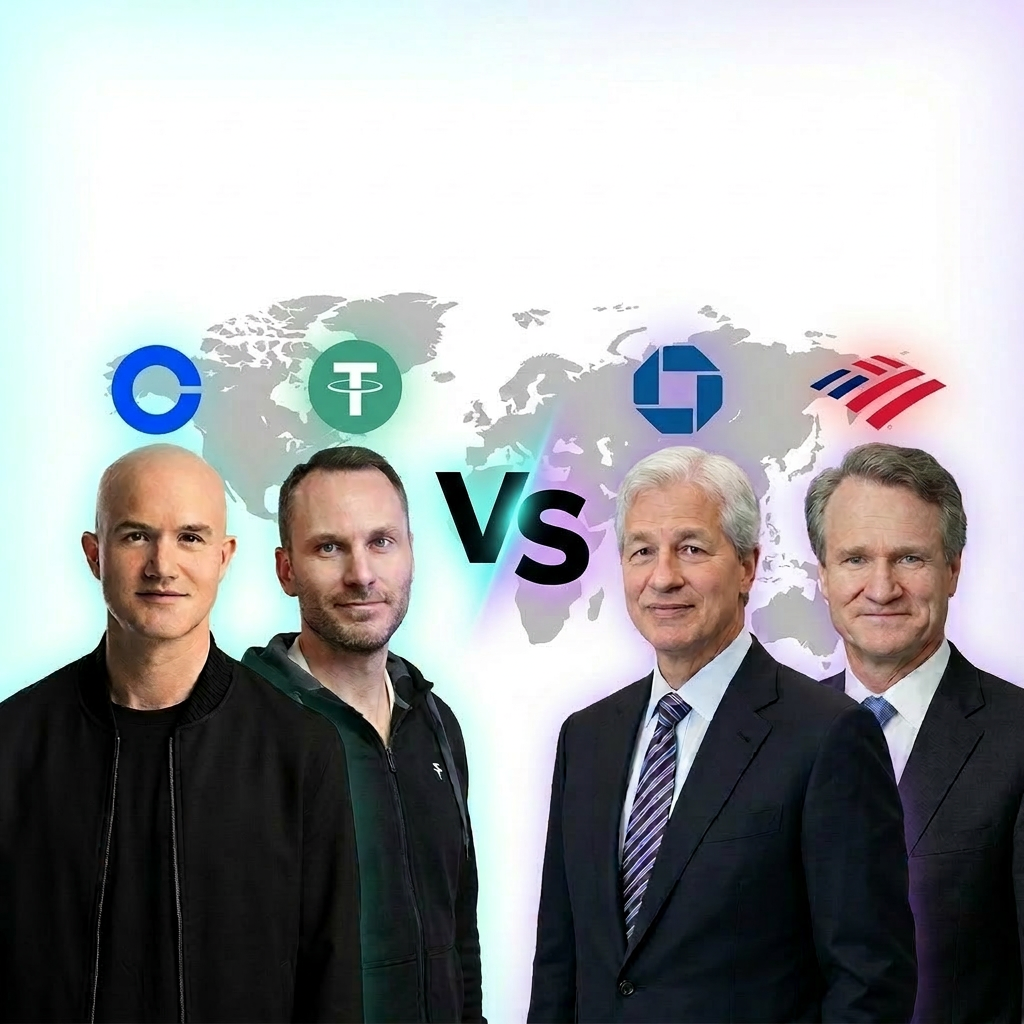
Hey, it’s Marc, The CLARITY Act missed its March 1 deadline because banks and crypto can't agree on one number: 4.5%. That's the yield Coinbase pays on USDC. Your bank pays 0.01%. A Treasury study says $6.6 trillion in deposits are at risk. The most important crypto bill in U.S. history is stuck, with four months before the midterms freeze everything. [RELEASE] Let’s unpack. 👉PRO: Download the PDF below Subscribe now What happened The CLARITY Act passed the House in July 2025 with bipa
Nasdaq ate crypto and called it an upgrade
Hey, it’s Marc, Crypto promised to kill the middleman. The middleman just hired crypto instead. Nasdaq and Kraken are turning every Nasdaq-listed stock into a blockchain token, same CUSIP, same rules, just faster. Through Kraken’s xStocks, NASDAQ has access to 68% of the tokenized equities market with $25B+ in transaction volume across 85,000 unique holders. [RELEASE] The stock market is about to run 24/7. Let’s unpack. 👉PRO: Download the PDF below Subscribe nowHe ran the NYSE, now he's
The first crypto firm on Fedwire
Hey, it’s Marc, For 110 years, direct access to Fedwire was the exclusive privilege of chartered commercial banks. Today, a crypto exchange broke that streak. Kraken Financial just became the first digital asset bank in U.S. history to receive a Federal Reserve master account. The implications run far deeper than faster deposits. [RELEASE] Let’s unpack. 👉PRO: Download the PDF below Ceo Notes Kraken Federal ReserveCeo Notes Kraken Federal Reserve2 MBdownload-circleSubscribe now What happ
MoonPay, Iron, and the Stablecoin Endgame
In February 2025 Stripe acquired Bridge for $1.1B. A few months later, in March 2025, MoonPay acquired Iron, a German stablecoin infrastructure company, for a reported $100M+.
BNP Paribas called it an 'experiment'
Hey, it’s Marc, Name one major institution that launched tokenized funds on a private blockchain and stayed there. You can’t. BlackRock moved to Ethereum. Franklin Templeton moved to Ethereum. JPMorgan moved to Ethereum. Last week, BNP Paribas joined them as the first and largest European bank. And they went further. [RELEASE] Let’s unpack. 👉PRO: Download the PDF at the bottom Download Subscribe now What happened On February 19, 2026, BNP Paribas Asset Management issued a tokenized sha
Wall Street's weekend just died
Hey, it’s Marc, On May 29, CME opens crypto derivatives trading 24 hours a day, 7 days a week. One problem: if Bitcoin crashes at 3am on a Saturday, CME has to manage that margin call instantly, and every bank in America is asleep. The world’s largest derivatives exchange just dragged traditional finance into a stress test it doesn’t have the plumbing for. [RELEASE] Let’s unpack. 👉PRO: Download the PDF below Subscribe now What happened In February, CME Group said what traders have been

Santander let a bot spend real money
Hey, it’s Marc, I keep asking bank executives the same question: when does an AI agent make its first real purchase inside your system? On March 2, Santander answered it. An AI agent completed a live, end-to-end payment on real rails, no human at checkout. The $5 trillion checkout just got its first non-human customer. [RELEASE] Let’s unpack. Subscribe now 👉PRO: Download the PDF at the bottom Download Subscribe now What happened Santander and Mastercard executed Europe’s first live AI
Fidelity goes on-chain
Fidelity doesn't do crypto. It manages $6.8 trillion. So when the 79-year-old asset manager launched its own stablecoin on January 28, the game fundamentally changed. On January 28, 2026, the second-largest asset manager in America launched FIDD, a dollar-pegged stablecoin that Fidelity issues, distributes, and custodies in-house. [PRESS RELEASE]. For the first time, a titan with a national trust bank charter, the highest tier of federal oversight, is offering 24/7 dollar settlement on Ethereu
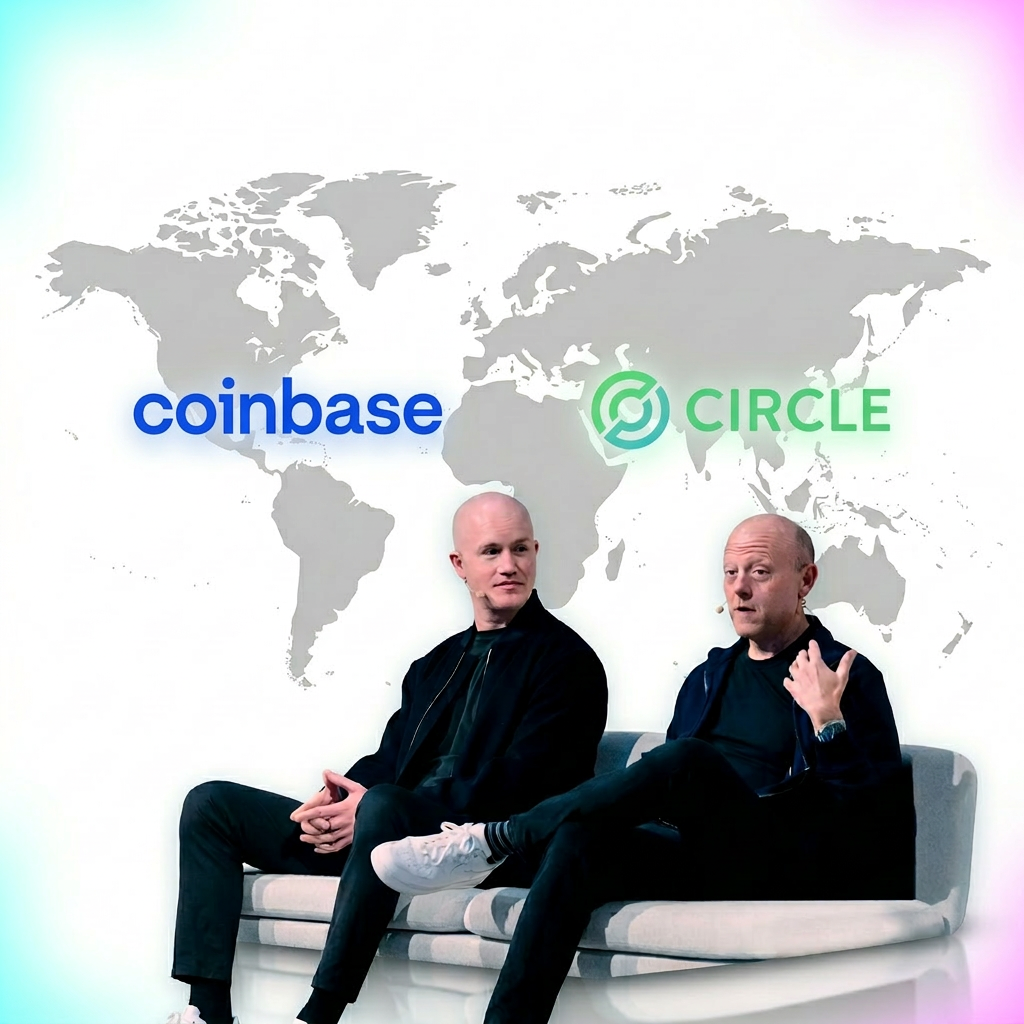
USDC prints $2.7B. Coinbase keeps 60%
Circle (NYSE: CRCL) reported Q4 2025 results that beat estimates across the board. It's one thing to build a $75B stablecoin network. But it's another to keep the economics. Circle Internet Group (NYSE: CRCL) is the issuer of USDC, the world's second-largest stablecoin at $75.3B. The company generated $2.75B in revenue in FY 2025, up 64% year-over-year, with Q4 net income of $133M and its stock surging 30% post-earnings. [RELEASE] But here's the number nobody's talking about: Circle paid $1.6
Meta's stablecoin comeback with Stripe
In 2021, U.S. regulators killed Facebook’s Diem stablecoin project with a phone call. No law, no court order, just the Fed’s General Counsel Mark Van Der Weide dialling Diem’s CEO Stuart Leve and its banking partners with a message that landed like a cease-and-desist. Fast forward four years: Meta is back. But they aren’t minting a coin this time. Instead, they are renting Stripe’s stablecoin plumbing to turn WhatsApp, Instagram, and Facebook into a 3B user global settlement layer. And, this is

Apollo bought 9% of a DeFi protocol
Wall Street went from dismissing DeFi to integrating DeFi for tokenized funds to acquiring governance stakes. Morpho Association announced a cooperation agreement with Apollo Global Management affiliates. The deal: Apollo may acquire up to 90 million MORPHO tokens, over the next four years. This came just 48 hours after BlackRock listed its $2.1B BUIDL fund on Uniswap and purchased UNI governance tokens. [RELEASE] This didn't happen overnight. The shift from dismissing DeFi to governing it tel
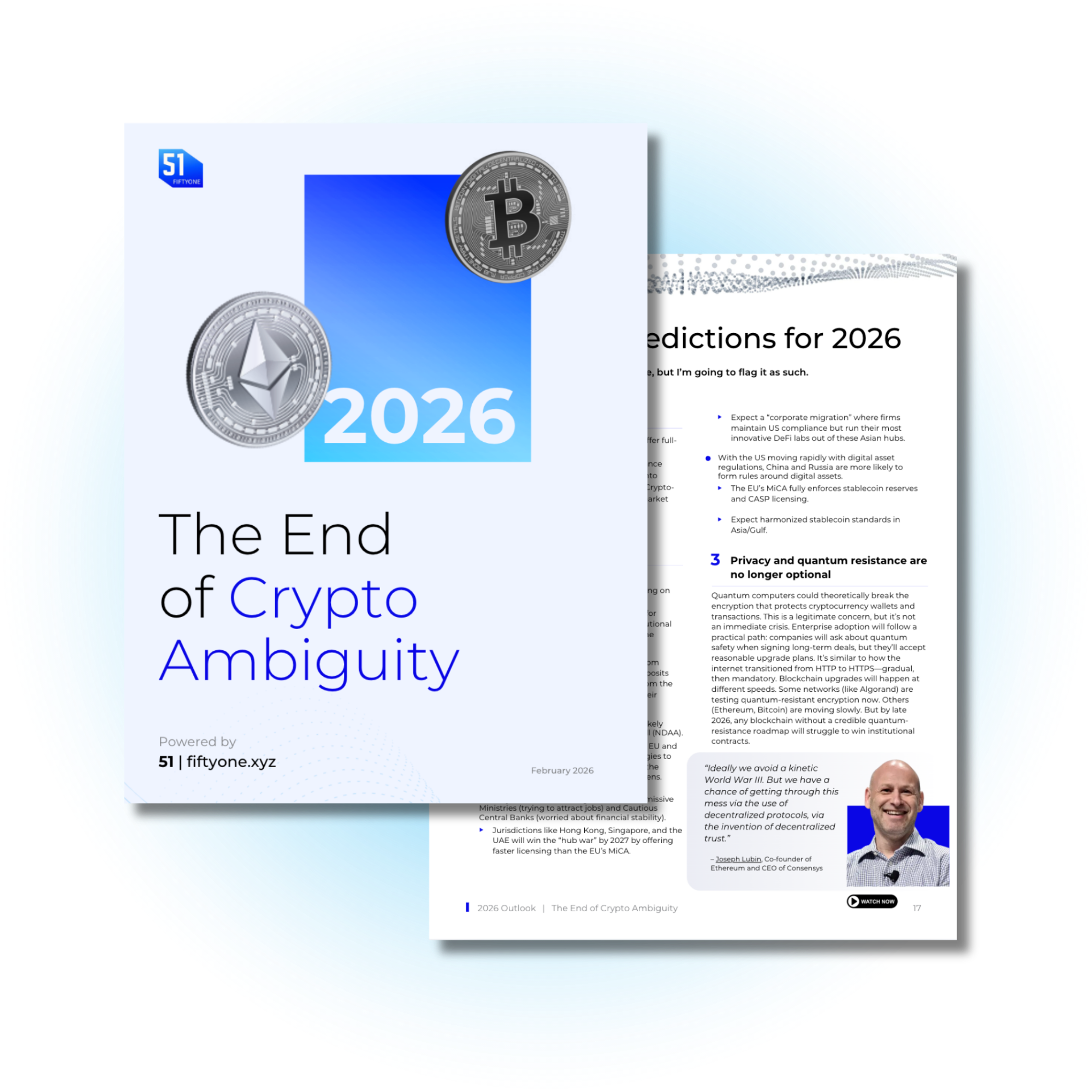
12 signals the ambiguity is over
Today we’re publishing our 2026 Outlook: The End of Crypto Ambiguity

Stripe doesn’t need bank
Hey, it’s Marc! For over 15 years, Stripe processed payments. It needed banks to hold the money. It needed card networks to move it. It needed partners for everything. That just changed. Now, Stripe owns a bank. Kind of. On February 17, 2026, the OCC conditionally approved Bridge, Stripe’s $1.1 billion stablecoin acquisition, for a national trust bank charter. [RELEASE] 👉PRO: Download the PDF at the bottom Subscribe now What happened The OCC greenlit a national trust bank charter1 for
From 100% to 2%
You know what’s more powerful than a 1,000-page regulation? A two-page FAQ. On February 19, the SEC’s Division of Trading and Markets quietly dropped guidance that slashes the capital charge on stablecoins from 100% to 2% for broker-dealers. That’s the same haircut as money market funds. This makes stablecoins near-cash working capital and it might be the single most important regulatory shift for Wall Street in 2026. [RELEASE] [FAQs] 👉PRO: Download the PDF at the bottom 👉Need it simple? Re
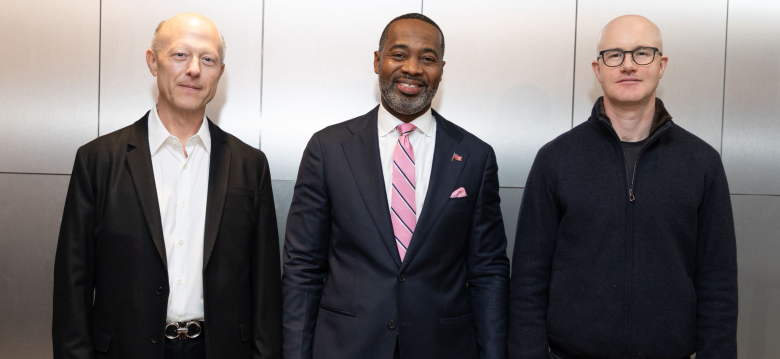
The first nation to run on USDC
Hey, it’s Marc & the 51 team, Every country has a central bank. Bermuda just chose Circle instead. At Davos, Premier David Burt announced a partnership with Circle and Coinbase to build what he called “the world’s first fully on-chain national economy.” Tax payments. Merchant settlement. Government disbursements. All on USDC, all on Coinbase’s Base network. It’s either the most pragmatic monetary decision of the decade — or the most reckless. Let’s unpack. [RELEASE] Island nations live in th

BlackRock just plugged into DeFi
Hey, it’s Marc & the 51 team, For the past few years, the key question in tokenization has been whether it would be integrated into DeFi protocols. But on February 11, 2026, BlackRock answered this question. By integrating its $2.2B BUIDL fund with Uniswap (the largest DEX), BlackRock(the world’s largest asset manager) enabled institutions to swap U.S. Treasuries for USDC, 24/7, 365 days a year. [RELEASE] But this isn’t the open DeFi you’re used to. It’s a hybrid of public and private market
Citi just picked Solana over Ethereum
Wall Street spent a decade and billions of dollars building private blockchains. Then it figured out they were just slow databases. JPMorgan built one. So did dozens of others. The logic seemed sound: public networks are too risky, too open. We need our own. That story is over. JPMorgan put its digital dollar on Base. BlackRock went straight to Ethereum. And last week, Citi — the bank that moves money across 160 countries — took a centuries-old paper document and ran the entire thing on Solana
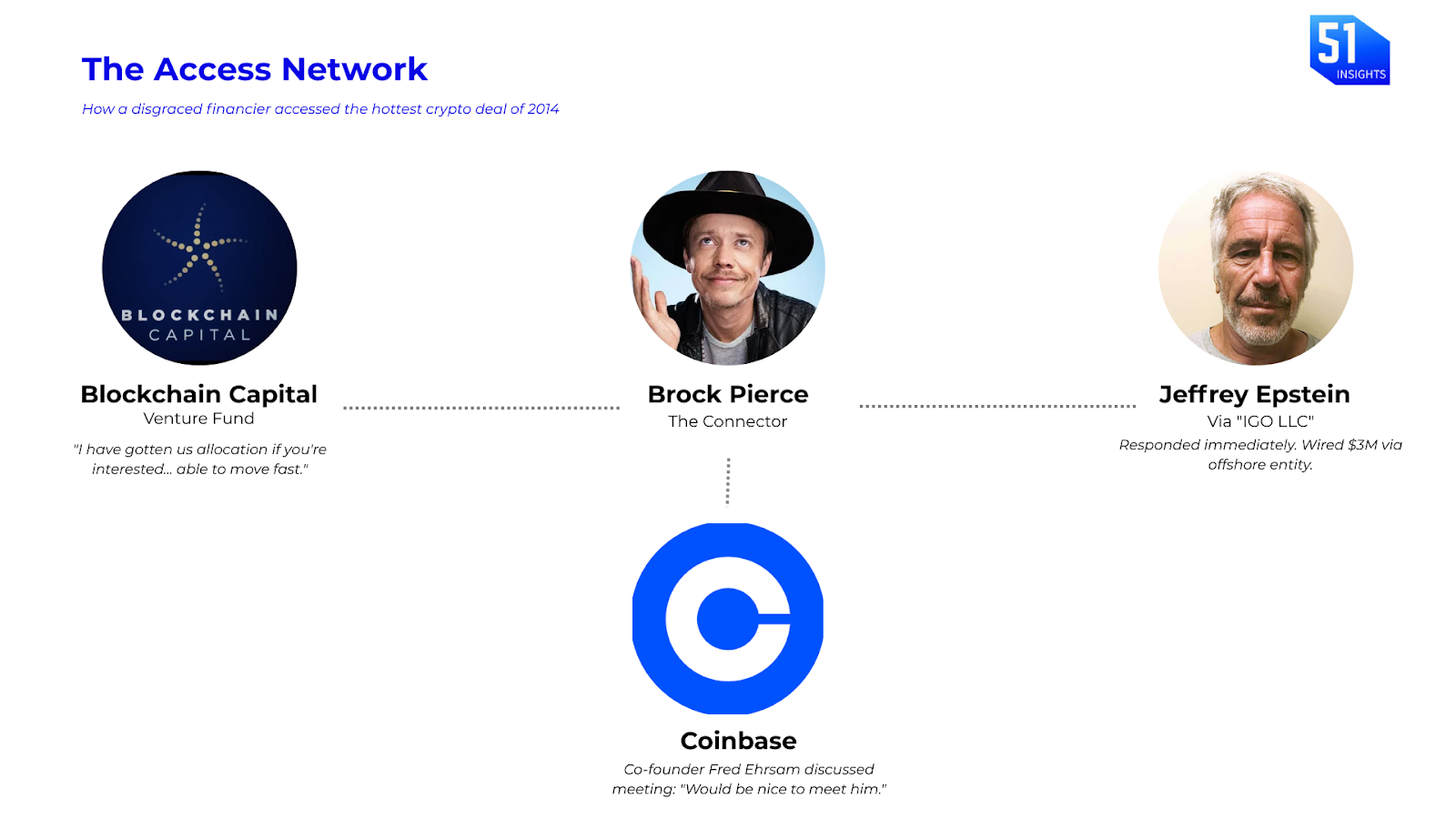
Coinbase took Epstein's $3M in 2014
3.5 million pages of DOJ documents confirm what no compliance officer flagged in 2014: a convicted sex offender was funding Bitcoin’s development pipeline. The 2026 Tranche of Epstein files suggests that the roadmap of Bitcoin was a commercial strategy financed by Jeffrey Epstein. But the story is different and a mix of fact, rumors, interpretations and opinions. Let’s unpack. 👉PRO: PDF at the bottom The Consensus Miami 2026 Global Digital Asset Adoption Index Report by CoinDesk Data just d
Wall Street's new darling
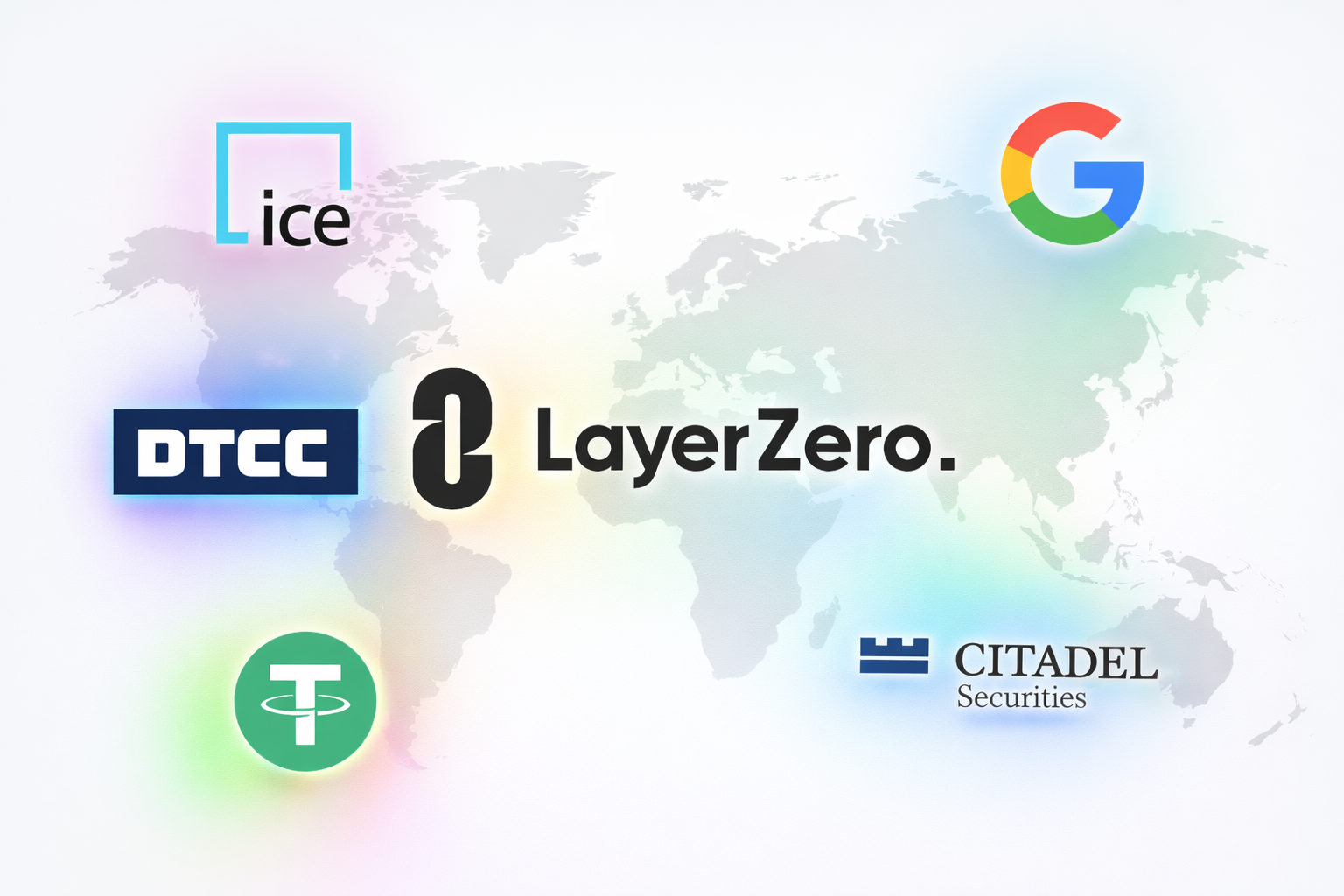
On Monday, Citadel Securities, the DTCC, the New York Stock Exchange, Google Cloud, ARK Invest, and Tether backed a single Layer 1 called Zero. These aren’t institutions “exploring” blockchain. They’re the operating system of global capital and they just placed a bet on replacing their own plumbing. This is the most consequential infrastructure announcement in digital assets this year. Here’s why. [RELEASE] 👉PRO: PDF at the bottom Subscribe nowDTCC, Goldman, Citadel pick Canton: Why Wall Str

Tether just put on a suit
Hey, it’s Marc & 51 team, For a decade, Tether (USD₮) was the “offshore casino chip,” massive, liquid, but operating in the regulatory shadows. Wall Street ignored it; regulators hunted it. But on January 27, 2026, Tether launched USA₮, a federally chartered stablecoin backed 1:1 by short-term Treasuries, held at Anchorage Digital Bank, and custody by Cantor Fitzgerald. The Fed didn’t lose control. It delegated it. Now $186.2B in private-sector dollars can settle 24/7 across blockchains witho
The U.S. crypto battlefield
Hey, it’s Marc & 51 team, Jamie Dimon interrupted Brian Armstrong’s coffee with Tony Blair at Davos. The JPMorgan CEO got in Armstrong’s face and told him he was “full of sh*t” for claiming banks were sabotaging crypto legislation. While CEOs traded insults in Switzerland, SEC Chair Atkins is building the regulatory framework: the GENIUS Act is live. Project Crypto just formalized SEC-CFTC coordination. DTCC launched its tokenisation pilot. OCC greenlit five crypto-focused national trust banks

Why crypto broke
Hey, it’s Marc & 51 team, For 18 months, the crypto pitch to allocators was simple: ETFs brought in real money, regulation was coming, and Bitcoin had decoupled from degen retail. Mature asset class. Uncorrelated store of value. Digital gold. Then three pipes burst at the same time: the U.S. Treasury sucked $200B out of bank reserves, Japan ended 30 years of free-money leverage, and AI’s hype cycle suddenly became a risk event, and Bitcoin did what “digital gold” isn’t supposed to do: it crash
Hong Kong built the rails. Will the trains arrive?
Hey, it’s Marc & 51 team, Hong Kong’s crypto market doesn’t look like a casino anymore. It looks like a bank. Over the past two years, the SAR methodically dismantled the unregulated exchange model, pushed out crypto-native giants like OKX and Bybit, and rebuilt itself as an institutional settlement hub. By Q1 2026, it has completed the infrastructure: VATP licenses, stablecoin regulations, Project Ensemble. But here’s the problem: it built a $20M per-license fortress for a market that still
What would make this worth 10x more to you?
Marc here. You’ve been a Pro subscriber for a while, so I need your honest take on something. I want to make sure we’re solving the right problem for you. We’re good at tracking what’s happening in institutional crypto/blockchain. But I’m wondering if we’re solving the real problem you face at work. Three quick questions (literally 60 seconds): We’re building an platform that analyzes the news flow and tells you what actually matters for YOUR work. Would this be useful? It would: * Filte
Buy Bitcoin. Then What?
Hey, it’s Marc & 51 team, January 2026 just separated the digital asset treasury sector into winners and losers. The industry is now split into two corporate realities: firms turning treasuries into financial franchises, and firms caught in liquidity and valuation death spirals. “Buy Bitcoin” stopped being a strategy. What matters now is what you do with the Bitcoin once you own it: how you structure the balance sheet, how you fund accumulation, whether you generate yield independent of token

Where regulation meets reality
Hey, it’s Marc Your competitive intelligence just got uncomfortable. While Asia processed $12.5 trillion in stablecoin flows in 2025, the US quietly built the institutional infrastructure to trigger adoption on a scale few have dared to imagine. This is according to Consensus Miami 2026 Global Digital Asset Adoption Index Report by CoinDesk Data that dropped today, which our 51 team dissected line-by-line and stress-tested against our own institutional data. Trust me: You should pay attention

Crypto's $2.1B Custody IPO
Hey, it’s Marc, Crypto custody has come a long way from scribbled seed phrases and anonymous exchanges. Today, it’s a multi‑billion‑dollar institutional industry led by players like BitGo, which now safeguards over $100 billion in digital assets. BitGo just accomplished what few thought possible on Wall Street: becoming a $2.1 billion federally chartered custody bank and now, with its $212.8 million IPO last week, it’s taking crypto infrastructure into the institutional era. This isn’t just a
SWIFT’s vampire attack on crypto
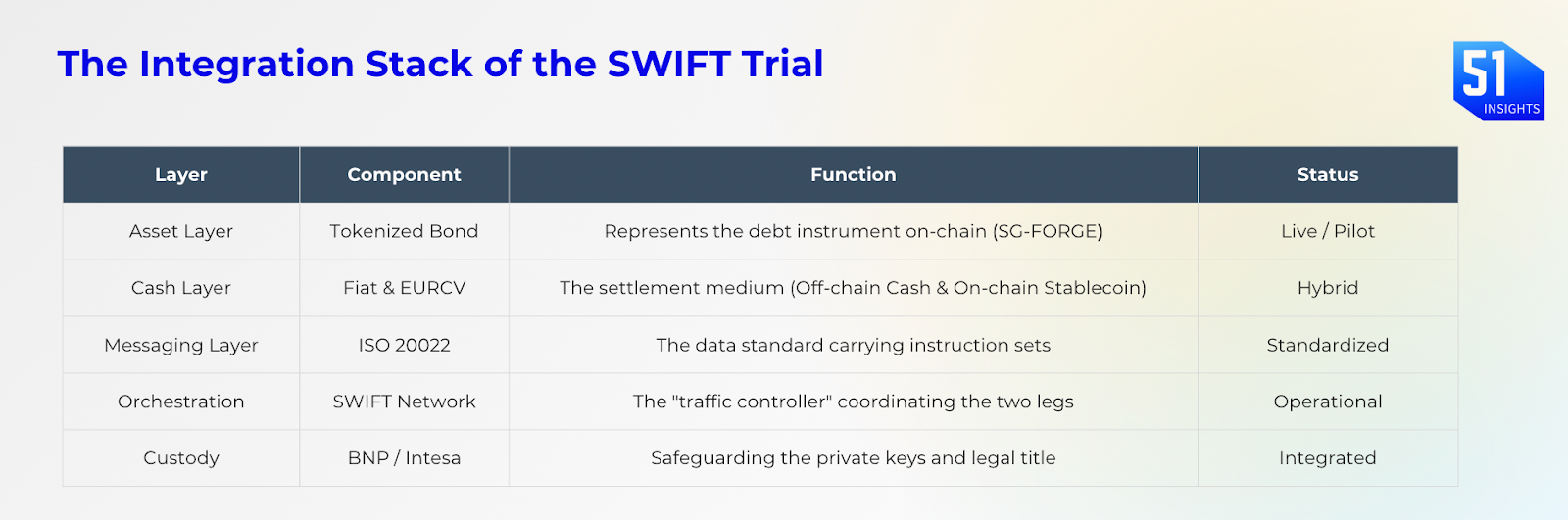
Hey, it’s Marc, The “DeFi vs. TradFi” narrative was binary: the banks were the dinosaurs, and the asteroid was coming. Were we wrong? In the last months, the dinosaur didn’t just survive, it learned to fly. And the “SWIFT Killer” thesis might be dead now. In a quiet trial orchestrated with BNP Paribas, Société Générale, and Intesa Sanpaolo, SWIFT proved it could settle tokenised bonds across fragmented blockchains using existing banking infrastructure. [RELEASE] The message: SWIFT’s rails are
What Davos really said about crypto
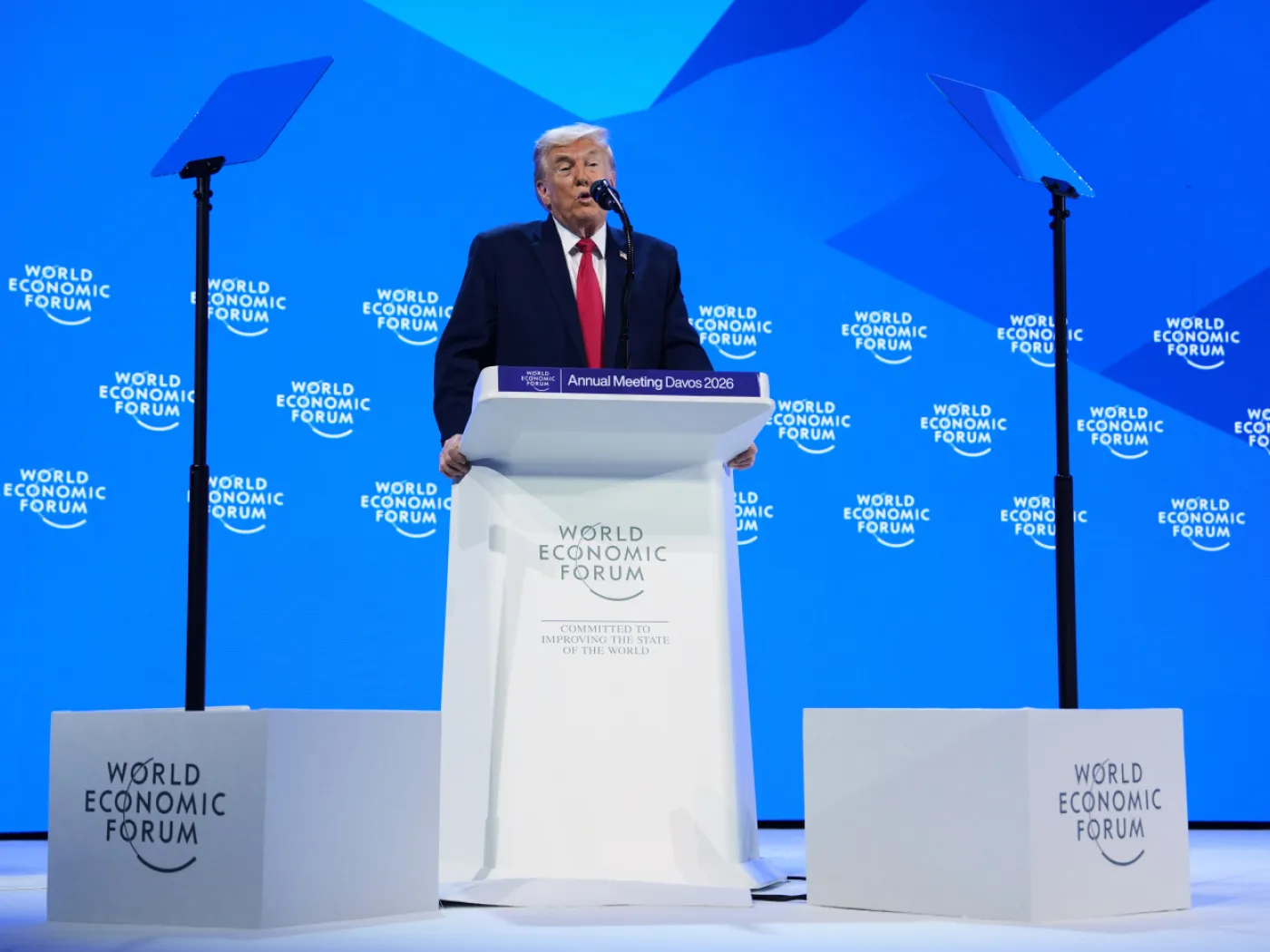
Dear PRO reader, Every January, the world’s most powerful people gather in the Swiss Alps to tell us what they actually think. This year, we listened. We tracked every panel, keynote, and CNBC hit from the 2026 Davos event. Trump. Fink. Dimon. Ermotti. Allaire. Armstrong. Musk. The question: where do the people controlling $50+ trillion in capital actually stand on Bitcoin, blockchain, and digital assets? The answer surprised us. The debate has shifted. Nobody argued whether blockchain would
The house model is dying
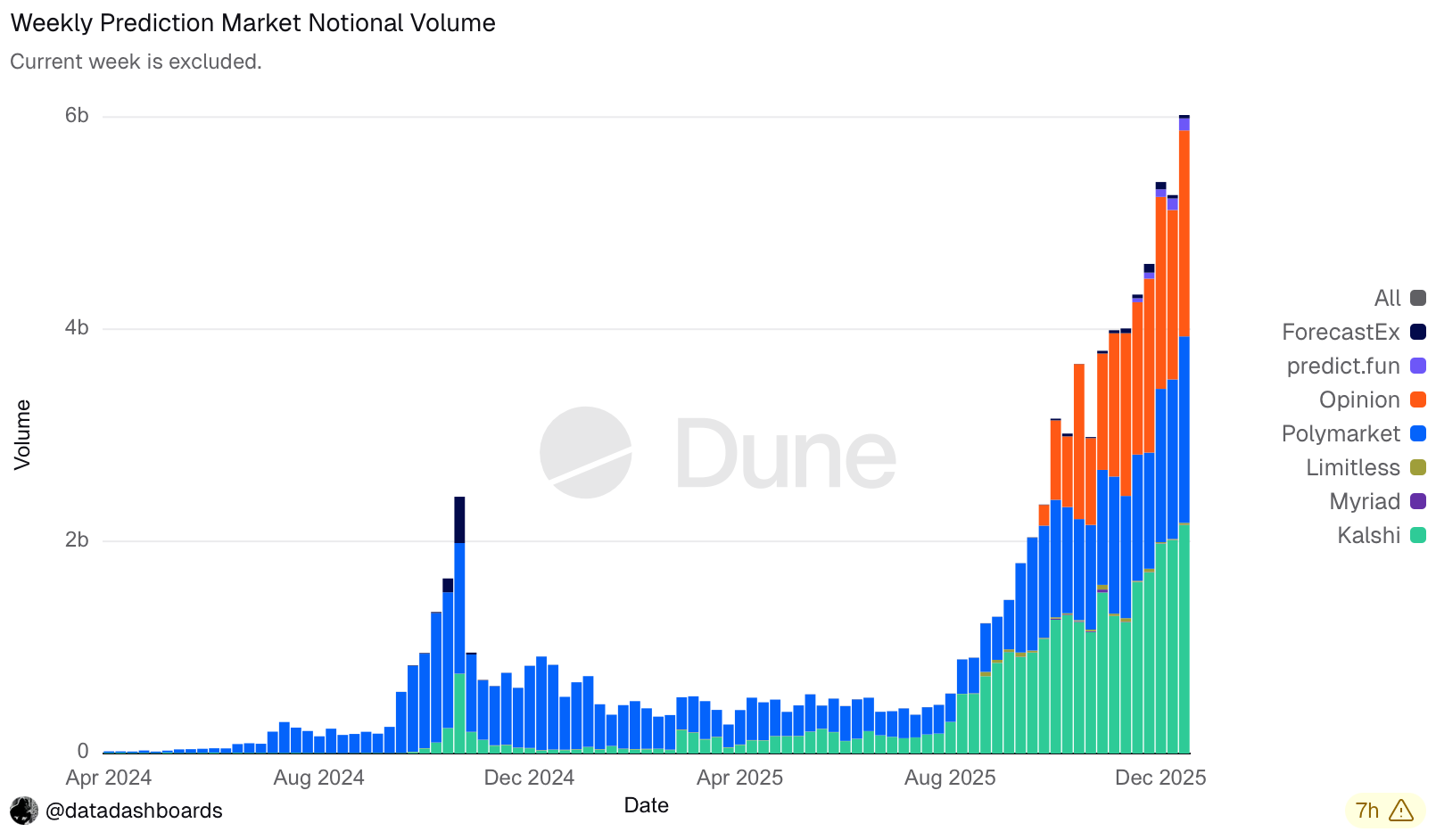
For decades, the barrier was maintained by gaming compacts and the assumption that a wager is legally distinct from a trade. But that distinction evaporated. In December 2025, DraftKings, FanDuel, Coinbase, and Robinhood didn’t launch betting apps. They launched financial derivatives, dressed up as betting apps. * DraftKings (market cap of ~$17.8B) is a CFTC-registered Introducing Broker. [RELEASE] * Coinbase acquired The Clearing Company. [RELEASE] * Robinhood turned its prediction markets

The end of the closing bell
Yesterday, the New York Stock Exchange (NYSE) dismantled Wall Street’s most long-boundary: market hours. For 232 years, equity markets have operated under a simple constraint. Trading happens between 9:30am and 4:00pm ET, Monday through Friday. That created an entire ecosystem: futures markets for after-hours risk, “gap” strategies betting on weekend news accumulation, and a global pecking order forcing Asia to wake up at 2am to trade U.S. stocks. But on January 19, 2026, Intercontinental Exch
BNY Mellon rewrote how money moves
Hey, it’s Marc, On January 9, 2026, the Bank of New York Mellon, guardian of $57.8T in assets, rewrote the rules of money. BNY went live with tokenized deposits: 24/7, programmable, atomic settlement on private blockchains with six initial clients: ICE (owns NYSE), Citadel Securities, DRW Holdings, Ripple Prime, Baillie Gifford, and Circle. Same dollar. Same FDIC insurance. Crypto speed. [RELEASE] The move kills two narratives at once. First: “crypto will disrupt banking.” Second: “stablecoin

Polygon’s $250M payment pivot
Polygon spent eight years perfecting speed. Zero-knowledge rollups1. Plasma chains. Proof-of-Stake2 optimisations. Then on January 13, 2026, it abandoned that playbook entirely. The company announced a $250M acquisition of Coinme (a compliance-first, cash-to-crypto network in 50,000 U.S. retail locations) and Sequence (a smart wallet and payments company). Together, these are a declaration: Polygon is no longer a scaling solution. It is now building a vertical payments stack that moves ca
China Pays Yield. America Bans It.
We’re 72 hours from a Senate vote that could reshape crypto.
Morgan Stanley enters crypto issuance
For a decade, Wall Street played the safe game. They sold you BlackRock’s ETF, collected a ticket charge, and kept their hands clean. That era is over. Morgan Stanley ($1.5T in wealth management assets) just became the first major U.S. bank to issue its own crypto ETFs, Bitcoin and Solana, not just distribute it. They just filed to launch their own Bitcoin and Solana ETFs. They aren’t just facilitating the trade anymore, they are capturing the issuance fees, the custody economics, and the stak

Real-estate enters prediction markets
The U.S. real estate derivatives market has long been illiquid and outdated. In 2006, the Chicago Mercantile Exchange tried launching housing futures based on the S&P Case-Shiller Index, but failed. The problem wasn’t demand, it was infrastructure: the index lagged by two months, making it unusable for real-time speculation. That changed on January 5, 2026. Polymarket, the largest decentralized prediction market, partnered with Parcl Labs to bring real-time, settlement-grade real estate contra
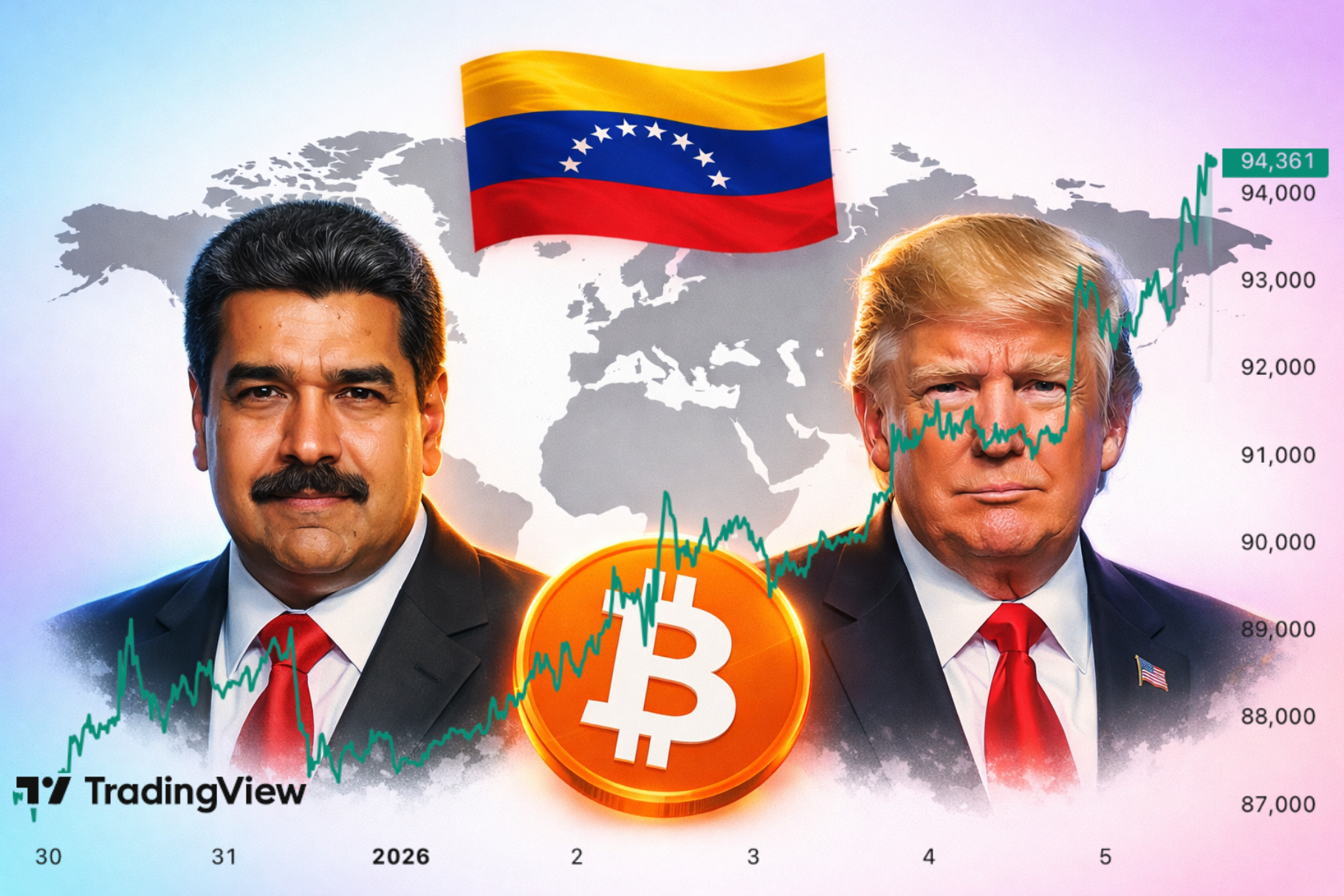
The United States just seized 3% of Bitcoin
[Our daily CEO briefing for PRO readers]

Our top 10 signals of 2025
We filtered the noise so you don’t have to.
Tether’s Quiet U.S. Power Play
[Our daily CEO briefing for PRO readers]

Stripe’s 1.5% tax on the old world
[Our daily CEO briefing for PRO readers; PDF at the bottom]