Tether is not a stablecoin company
Hey, it’s Marc,
Most people still think of Tether as "just a stablecoin company". They're wrong.
Tether.io just dropped two bombshells:
- Tether Power: They’ll 𝗼𝗽𝗲𝗻-𝘀𝗼𝘂𝗿𝗰𝗲 𝘁𝗵𝗲𝗶𝗿 𝗕𝗶𝘁𝗰𝗼𝗶𝗻 𝗠𝗶𝗻𝗶𝗻𝗴 𝗢𝗦 (MOS)
- Plasma: Raised $𝟱𝟬𝟬𝗠 𝗶𝗻 𝗺𝗶𝗻𝘂𝘁𝗲𝘀 for a new 𝗕𝗶𝘁𝗰𝗼𝗶𝗻-𝗯𝗮𝘀𝗲𝗱 𝗟𝟭 𝗳𝗼𝗿 𝘀𝘁𝗮𝗯𝗹𝗲𝗰𝗼𝗶𝗻𝘀, backed by Peter Thiel
These aren't separate moves.
To understand what Tether’s doing, look at what they’re trying to control.
1. Mining
Tether has aggressively expanded into Bitcoin mining over the past year. And it wants to become the world's biggest by the end of 2025.
What’s happening: While Bitcoin miners are moving from mining to AI data centres, Tether is going all in with a different strategy.
They've already invested $2B in mining & energy infrastructure.
Tether also holds over 𝟭𝟬𝟬,𝟬𝟬𝟬 𝗕𝗧𝗖.
Mining is a 𝗵𝗲𝗱𝗴𝗲 on that position.
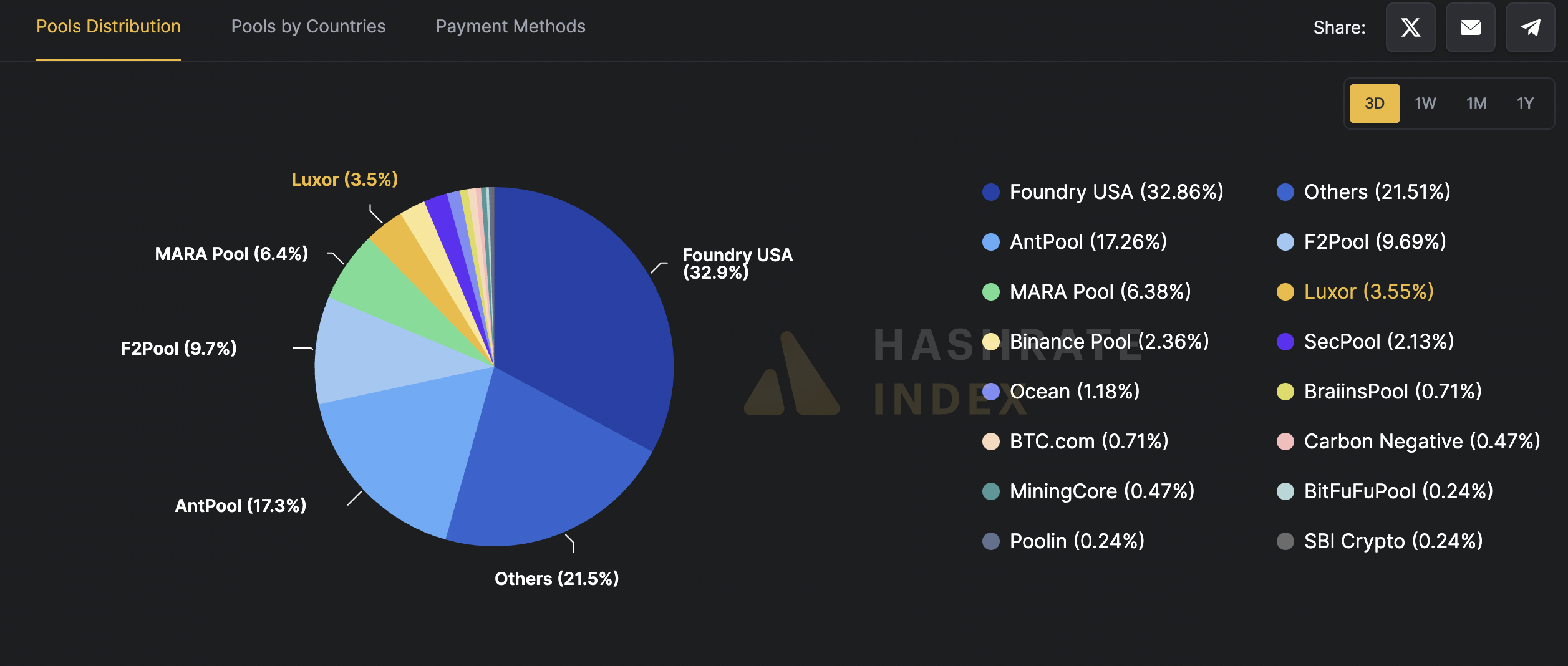
BUT: 75% of Bitcoin’s hashrate is controlled by the U.S.
95% of blocks come from just 6 large mining pools.
That’s not decentralisation.
That’s a chokepoint.
This is why Tether built MOS (Bitcoin Mining Operating System) - a peer-to-peer, plug-and-play mining OS – so 𝗮𝗻𝘆𝗼𝗻𝗲 can mine, from solar-powered farms to industrial sites.
And they’re open-sourcing it.
Why?
This is 𝗻𝗼𝘁 𝗮𝗹𝘁𝗿𝘂𝗶𝘀𝗺.
It’s a hedge on the hedge.
“We invested 2B in energy production, and Bitcoin mining actually is a bit more than that. Something that we have been very shy to say, but I think that it’s very realistic that by the end of the year, Tether will be the biggest Bitcoin miner in the world, even including all the public companies.”
— Paolo Ardoino, CEO of Tether
Stepping back: In 2024, it dropped $500M to build and buy into mining sites across Uruguay, Paraguay, and El Salvador. The goal was to control 1% of global Bitcoin mining power by 2025.
Why it matters: Tether’s deep pockets let it expand when others are broke. It’s not just a stablecoin company anymore — it’s betting big on Bitcoin’s infrastructure.
As deep-pocketed players like Tether and American Bitcoin build out large-scale mining operations, they help dilute the dominance of existing pools.
More players = higher hash rate = stronger network security.
What’s next: MOS will be released as open-source by Q4 2025.
2. Stablecoin Infrastructure
Tether's new layer 1 for stablecoins (Plasma) isn’t trying to be just another L1.
It's anchored to Bitcoin and EVM-compatible.
And it’s aiming to be the settlement layer for digital dollars.
Zooming in: In early 2024, Tether backed Plasma. It is a Bitcoin-based sidechain built specifically for stablecoins. Fully EVM-compatible and optimized for high throughput. It removes everything stablecoins don’t need — no NFTs, no memecoins, no staking. Just fast, zero-fee USDT transfers.
Why it matters: With over $155B in circulation, USDT dominates the stablecoin industry. By anchoring USDT to a purpose-built chain like Plasma, Tether is:
- Reducing reliance on congested or expensive chains (like Ethereum).
- Improving user experience with instant, feeless transfers.
- Expanding Bitcoin’s utility beyond “digital gold” — making it the trust layer for stablecoin transactions.
In short: USDT is the liquidity king. Plasma could be its custom-built empire.
Tether’s other initiatives
1. AI & Computing
Tether is quietly building an AI + crypto ecosystem.
In 2024, Tether launched an AI division to develop open-source models and infrastructure. Now, it’s rolling out tools to connect AI apps with Bitcoin and USDT payments — all without the cloud.
👉 AI operator? Subscribe to our newsletter & join 30k+ others
Key pieces in play:
- Wallet Dev Kit (WDK): Enables self-custody and peer-to-peer USDT/BTC payments (Check out)
- Tether AI Runtime: A decentralised, open-source platform for running AI apps on any device (Read more)
- Tether Data: A suite of AI applications including an AI translator, voice assistant, and Bitcoin wallet assistant (See more)
- QVAC: A platform for enabling AI agents and applications — scalable, modular, and fully peer-to-peer (Read more)
All tools are built for local execution, preserving privacy and reducing reliance on Big Tech infrastructure.
Why it matters: Tether isn’t just investing in AI — it’s merging it with money. By embedding payments directly into AI apps, it’s creating a new rail of decentralised, intelligent services powered by Bitcoin and USDT.
2. Telecommunications and Digital Infrastructure
In 2024 and 2025, Tether signed MoUs with the governments of Uzbekistan and Guinea to help build decentralised communication networks and local blockchain ecosystems.
The focus:
- Peer-to-peer telecom infrastructure
- Stablecoin adoption (USD₮)
- “Innovation Cities” and blockchain education to boost digital literacy
- Economic resilience through decentralisation
It is also supporting Holepunch and the Keet app — a fully encrypted, P2P messaging platform.
3. Renewable Energy and Sustainability Projects
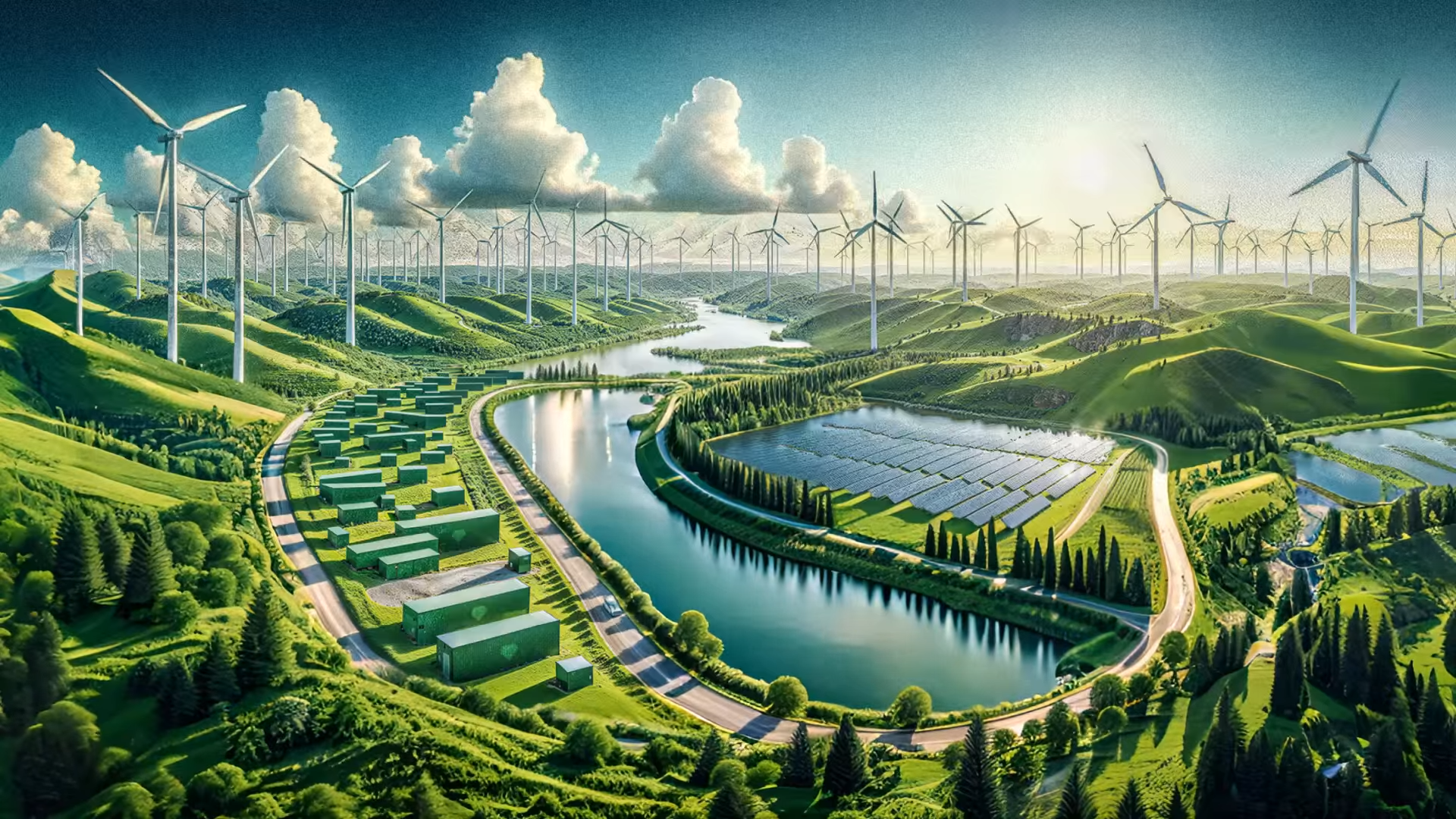
Tether’s Bitcoin mining sites in Uruguay and El Salvador are powered by wind, solar, hydro, and soon, geothermal. But the bigger story is what comes next.
In April 2025, Tether acquired 70% of Adecoagro, a NYSE-listed agribusiness in South America focused on bioenergy and sustainable agriculture. This followed a $100M investment in late 2024 to scale green production.
Trusted by Avalanche, Near, and MoonPay, we turn complex products into enterprise-grade narratives and campaigns that drive growth and deal flow.
Strategic Investments, Acquisitions, and Ventures
Tether’s investing like a tech holding company — not just a stablecoin issuer. Backed by $13–14B in 2024 profits, Tether is pouring capital into high-leverage bets across tech and infrastructure:
- $775M into Rumble to expand into video + alt media (RELEASE)
- $200M to acquire Blackrock Neurotech, a U.S. brain-computer startup (NEWS)
- Northern Data Group (AI/cloud infra) — aiming to lead Europe’s AI stack (More)
- Shiga Digital + Orionx to grow USDT payments in Africa + LatAm (RELEASE)
- Fizen + Kem App to embed USDT into Middle East remittances and QR wallets (More)
- Juventus FC — 10% stake, pairing tech with sports influence (RELEASE)
- Co-founded Twenty One Capital, a Bitcoin-native public company backed by SoftBank (RELEASE)
Think: Visa + Fedwire + Swift if they were one protocol.
Tether isn’t just the issuer anymore.
It’s building the rails themselves: data, compute, communication, and payments.
And it gives Tether full control.
𝗦𝗼 𝘄𝗵𝗮𝘁?
1+1=3
Tether’s strategy is simple:
- 𝗦𝗲𝗰𝘂𝗿𝗲 𝘁𝗵𝗲 𝗯𝗮𝘀𝗲 𝗹𝗮𝘆𝗲𝗿 (mining)
- 𝗜𝘀𝘀𝘂𝗲 𝗼𝗻 𝘁𝗵𝗲𝗶𝗿 𝗼𝘄𝗻 𝗰𝗵𝗮𝗶𝗻 (Plasma)
- 𝗢𝘄𝗻 𝘁𝗵𝗲 𝘀𝘁𝗮𝗰𝗸 from asset to infrastructure
- 𝗢𝗽𝘁𝗶𝗺𝗶𝘇𝗲 𝗶𝘁 𝘄𝗶𝘁𝗵 𝗔𝗜 (Qvac)
Tether isn’t just issuing dollars on-chain.
It’s quietly building the monetary operating system of the Internet.
This is a full-stack crypto-fintech empire in motion.
That’s all for today.
Best,
Marc & Team