
Orion: A New Lens on Reality
Meta just made a bold move at Meta Connect 2024, unveiling Orion, its most advanced AR glasses to date (formerly known as Project Nazare).
This isn’t just another tech gadget—it’s Meta’s play to bring Augmented Reality (AR) into the mainstream, making it as essential as your smartphone
Meta’s goal? To embed AR into everyday life—from how we work and shop to how we engage with brands and each other.
But there’s a catch.
Let’s dive in. 🦈
👉 Want to get in front of 50k+ business leaders or accelerate your growth? Work with us here.
Why it’s interesting: Meta Orion is designed to look and feel like regular glasses while seamlessly blending digital experiences with the physical world. Meta has miniaturized VR (Virtual Reality) and MR (Mixed Reality) tech into lightweight glasses through Orion.
Key Features of Meta Orion:
- Holographic Displays: It can project 2D and 3D content directly into the user's field of view, without obstructing their vision of the real world.
- AI Integration: Meta's smart assistant runs on Orion, understanding the user's context and providing helpful information and visualizations.
- Sleek and Comfortable: The glasses weigh less than 100 grams and include a battery that fits within the arm.
- Connectivity: It supports messaging and social interactions, allowing users to stay connected without taking out their phones.
- Field of View: Orion boasts a 70-degree field of view, which is claimed to be the largest in the smallest AR glasses form factor available.
Users can interact with the glasses through voice commands, eye tracking, hand gestures, and a wrist-based neural interface for seamless control.
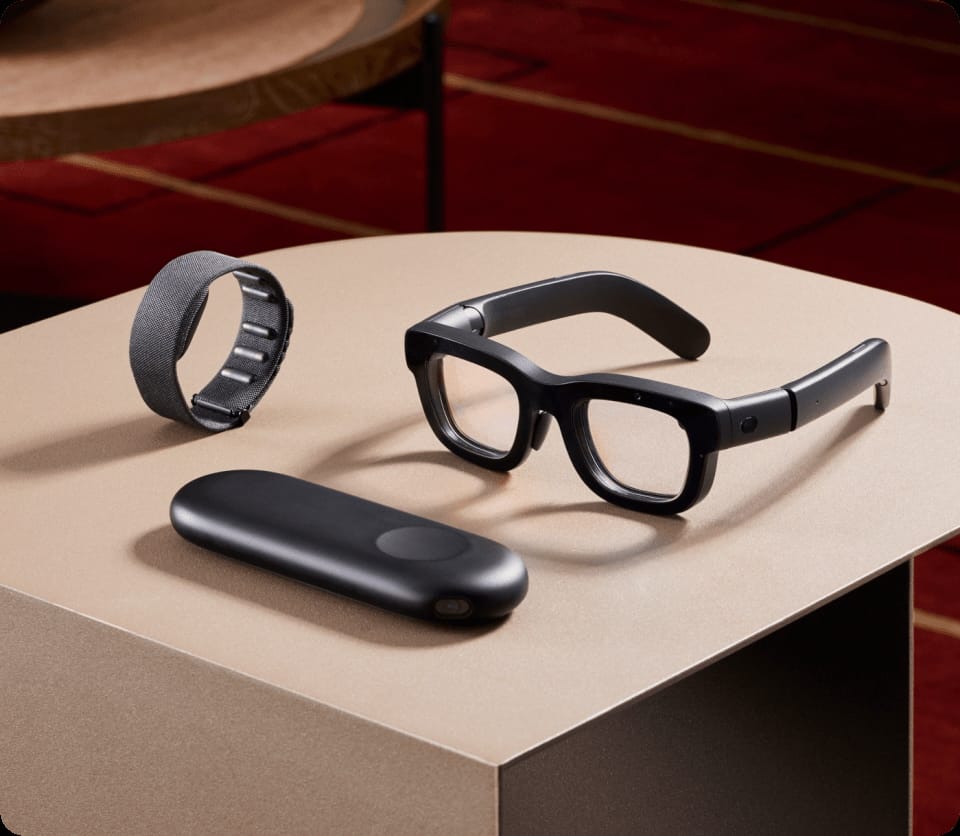
Why it matters: Orion is Meta’s vision for consumer AR glasses, aiming to make AR part of everyday life. With a sleek, user-friendly design and real-world use cases, Orion could break down barriers to AR adoption and push the technology to the mainstream. This could be the start of a world beyond smartphones, with implications for how we work, play, and interact.
Zooming in: At its core, AR glasses bring digital content into the real world, allowing you to see and interact with information anywhere—without the limitations of a phone screen. By integrating AI, these glasses anticipate your needs and blend seamlessly into your surroundings.
A Brief History:
- 2013: Google Glass gave us a glimpse of AR, but was limited in functionality.
- 2015: Microsoft HoloLens took things further, introducing mixed reality for gaming and enterprise use, allowing users to interact with both digital content and the real world simultaneously.
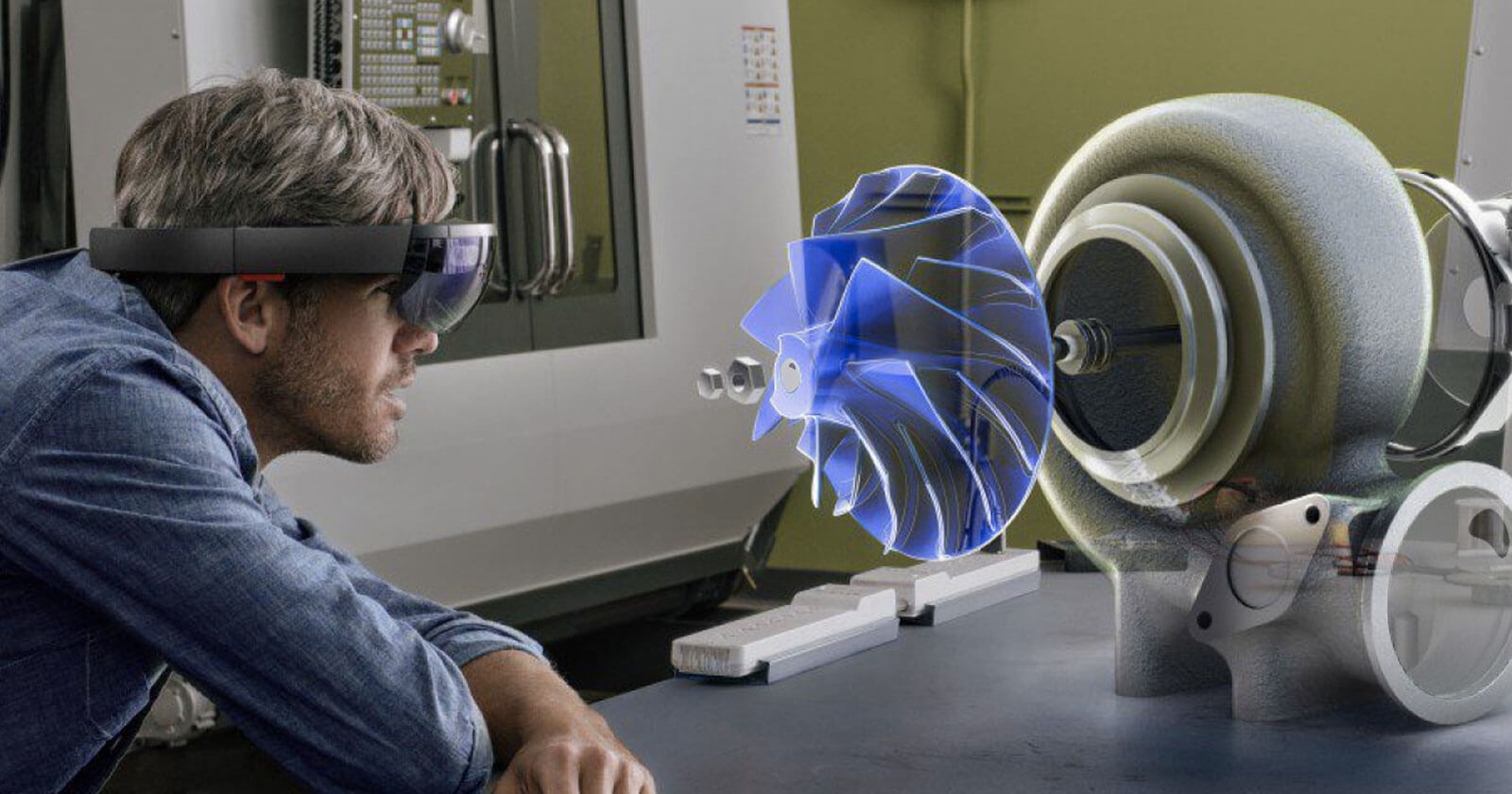
Fast forward to today: Meta’s Orion takes AR to the next level. Though still in development, it’s built to be wearable for all-day use, combining holographic displays and AI in a comfortable design. This could be the game-changer that brings AR glasses out of niche markets and into daily consumer life.
Brands, get ready—AR might be your next big engagement tool.
Behind the scenes: Meta partnered with EssilorLuxottica, Ray-Ban's parent company, to launch Ray-Ban Meta in 2021. Ray-Ban Meta introduced display-less glasses with smart AI, featuring cameras, speakers, and a microphone for capturing photos/videos, listening to music, and taking calls. However, they lacked full AR capabilities.
By the data: Ray Ban Meta smart glasses strongly contributed to over $1B revenue of Meta's Reality Labs in Q4 2024.
Stepping back: Recently, Meta announced that Meta Spark will shut down its third-party AR tools and content platform in 2025.
 Marc Baumann
With Orion, Meta went from basic smart glasses functionality to a more immersive, intelligent, and user-friendly augmented reality experience, pushing XR (Extended Reality) industry benchmarks.
Apple vs Meta: While Meta is laser-focused on AR and blending the physical and digital worlds, Apple is taking a more dual approach, blending AR and VR with devices like the Vision Pro. Apple’s strategy revolves around creating immersive, mixed-reality experiences in entertainment, productivity, and communication. By focusing on premium hardware and a high-end user experience, Apple is targeting professionals and content creators with VR-first experiences—while Meta is betting on mass-market AR adoption by embedding its glasses into daily life.
The big picture: Meta is playing the long game, aiming to dominate the AR ecosystem by controlling both hardware and software with Orion. Instead of supporting a fragmented AR framework, Meta envisions Orion as a future successor to smartphones—transforming how we experience daily life. By integrating Orion with platforms like Instagram, Meta has the potential to create seamless, everyday use cases that could redefine how consumers interact with digital content and brands.
What’s Next? Orion is still in the prototype phase, and while it’s not yet ready for consumers, select employees and partners will test it to fine-tune the hardware. Meta’s focus is on improving visual clarity, reducing the form factor, and bringing production costs down—key steps toward making AR glasses viable for the mass market.
Devil’s Advocate: Reality Labs, Meta’s division for AR and metaverse technologies, has burned through $50B since 2019. With mounting losses, Meta’s hardware teams are under pressure, tasked with cutting spending by 20% by 2026. The question is whether Orion can become the breakthrough that justifies these massive investments.
The catch: A key concern highlighted is Meta’s ability to manufacture Orion at scale and at an affordable price. Currently costing around $10,000 per unit, Orion is not yet ready for mass consumption. This echoes the broader challenge Meta faces: scaling its AR hardware to a point where it can enter the consumer market at competitive price points.
Punchline: If Meta’s AR vision succeeds, it could transform how businesses engage with consumers. AR glasses will unlock hyper-personalized experiences, allowing companies to track data points in real time and tailor interactions to individual users.
For brands, this means new business opportunities, enhanced customer experiences, and a chance to disrupt existing digital strategies. AR could also boost productivity and reimagine operations—making it a must-watch for forward-thinking businesses looking to stay ahead.
That’s all for now.
Talk soon,
Marc & Team
⚡️ Amplify Your Growth
👉 Want to get in front of 50k+ business leaders or accelerate your growth?
51 Insights is your unfair advantage. We combine what and who we know to help you win:
- Capturing market & mind share with our 50k+ b2b audience
- Shape your narrative & create qualified opportunities
- Developing a go-to-market and growth strategy
- Increase your b2b outbound conversion rates