Case Study: Hugo Boss Steps Into Web3 Loyalty – Will They Succeed?
Hey, it’s Marc.
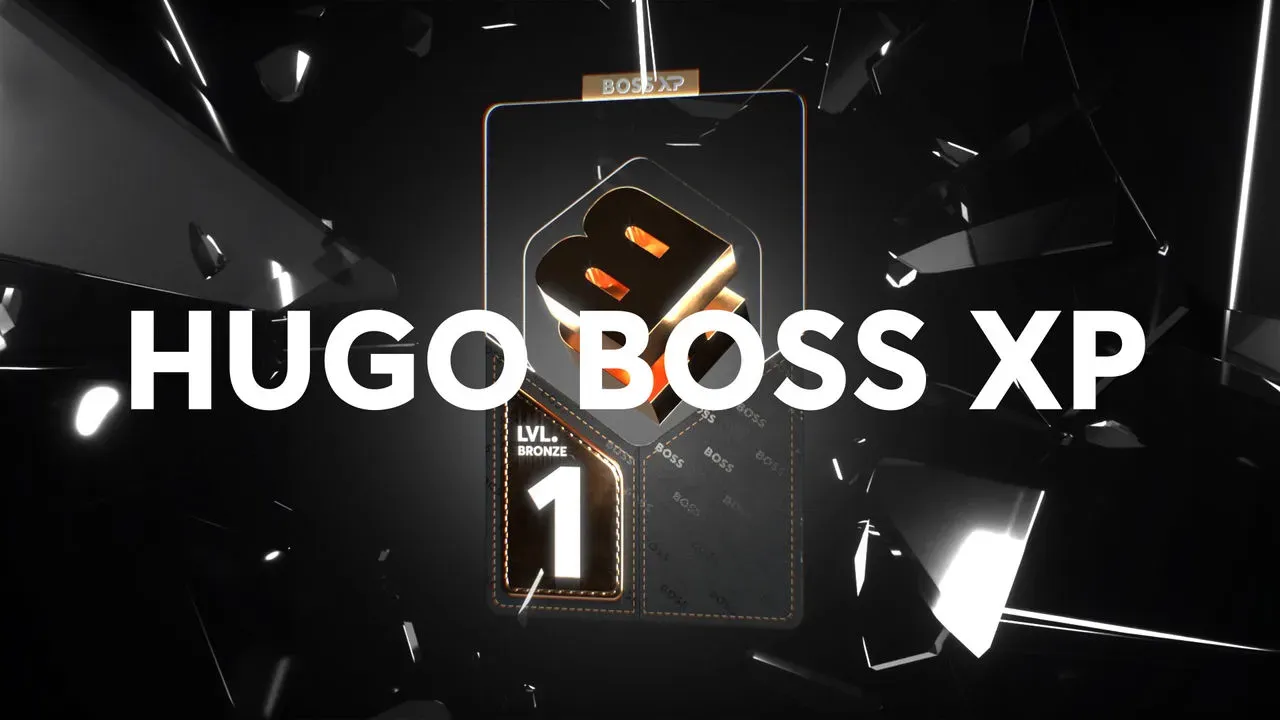
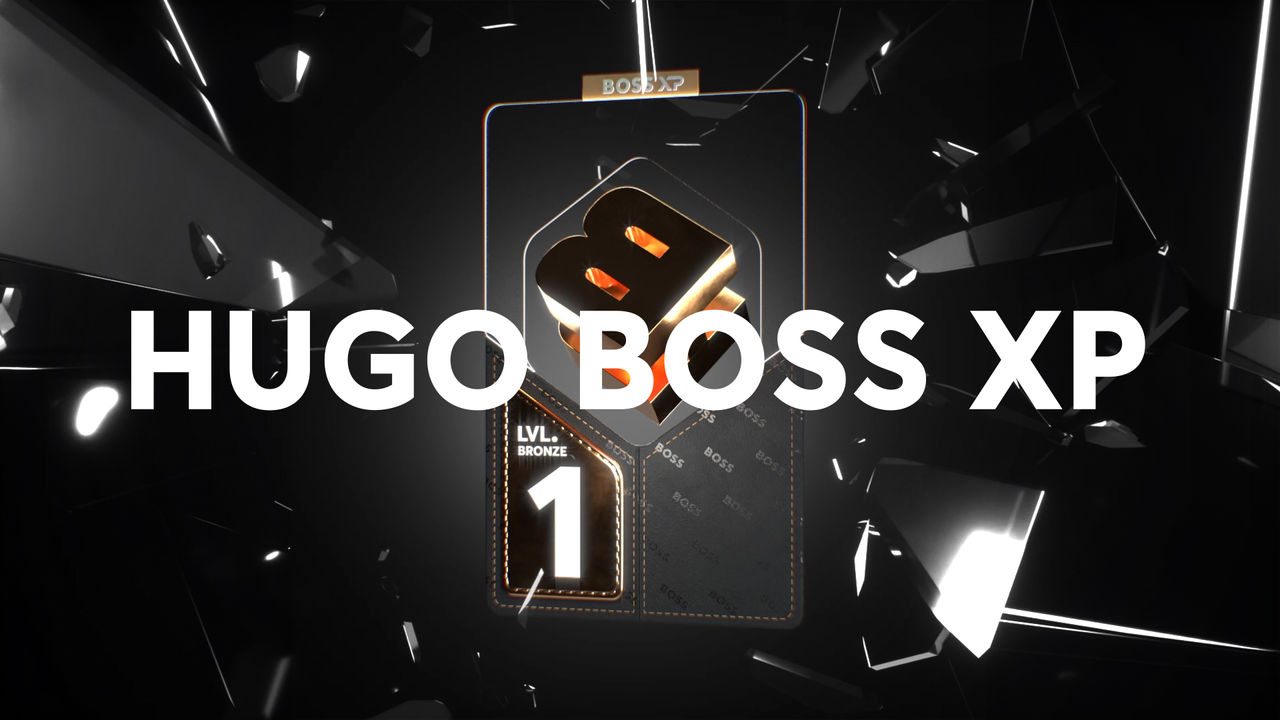
This week, Hugo Boss officially launched its Web3 loyalty program, “HUGO BOSS XP”.
Wait, what?
Nike shifts priorities away from Web3, Reddit shuts down its collectibles, and Starbucks ends its NFT loyalty program. Now, Hugo Boss goes all in.
Now, Hugo Boss goes all-in. Why?
Today we’re going to look at:
- How Hugo Boss XP works
- The role of blockchain – Why Web?
- Why now?
- Untapped potential: What Hugo Boss hasn’t thought about (yet)
- Will Hugo Boss succeed?
Let’s unpack this.
PS: If you haven’t read our primer on Web3 loyalty, read it here.
👉 Want to get in front of 50k+ business leaders or accelerate your growth? Work with us here.
What you need to know
- HUGO BOSS XP (HBXP) is a Web3 loyalty program to reach the next generation of consumers.
- It replaces the current traditional membership program - HUGO BOSS EXPERIENCE – shifting its focus on member experience and optimizing customer lifetime value.
- Technology partners include Polygon Labs and Epam Systems, who built the custodial wallet engine and mobile SDK.
Here’s a comparison between Hugo Boss’ old loyalty program and HBXP:
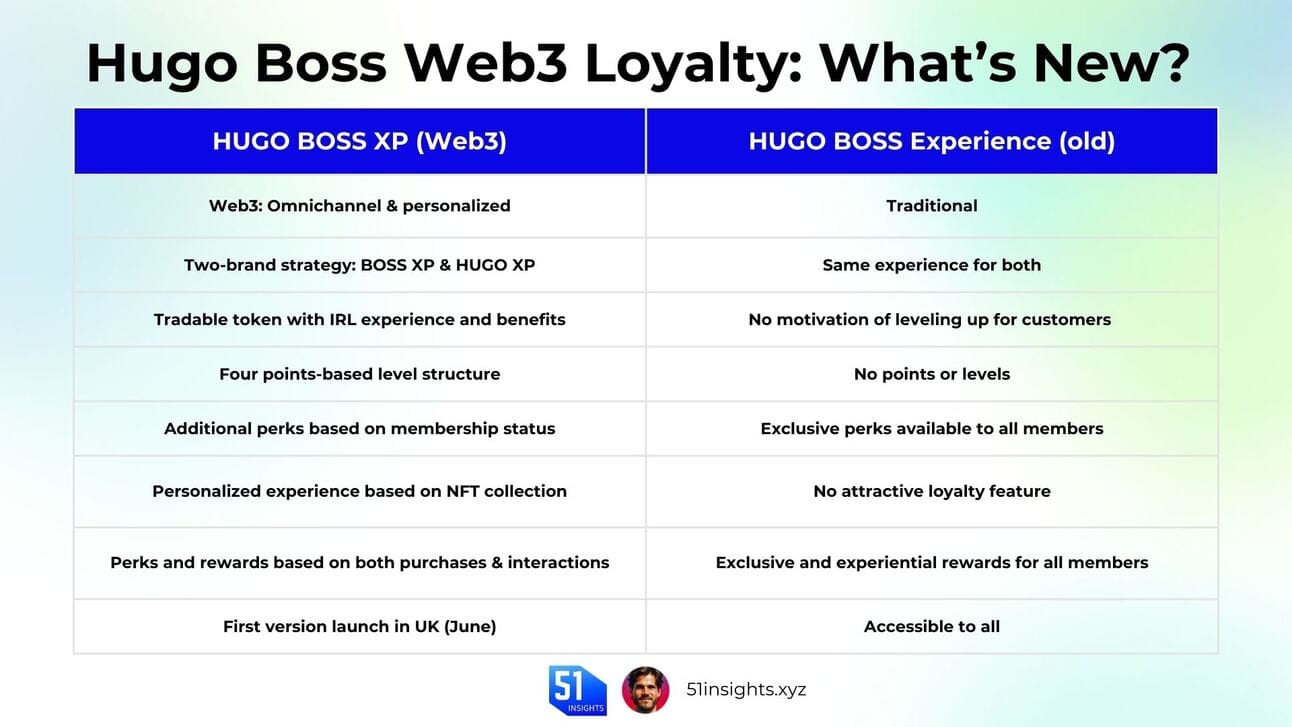
How it works in a nutshell: Members can collect and redeem tokens (NFTs) through their purchases and other interactions across channels and brands.
They act as keys to unlock exclusive products, unique brand experiences, and further offers from BOSS and HUGO or sponsorship and cooperation partners.
The experience is accessible through its main customer app (for UK customers only for now).
Why it’s important: Hugo Boss is introducing its program to all its customers, setting it apart from Lacoste and Starbucks, which limited their Web3 programs a Web3-native audience.
You can read our Starbucks and Lacoste case studies here.
How it works
- Members can collect and redeem tokens (NFTs) through their purchases and other interactions across channels and brands.
- Customers can choose between BOSS XP and HUGO XP, aligning with the group’s two-brand strategy.
- They act as keys to unlock exclusive products, unique brand experiences, and further offers from BOSS and HUGO or sponsorship and cooperation partners.
- Both brands offer a four-level system, giving access to exclusive benefits like special events, premium services, and unique experiences.
- Membership upgrades are based on spending across brands and channels and are valid for at least two years.
What makes this different from other Web3 loyalty programs?
- Omnichannel: HBXP is a hybrid loyalty program that combines traditional reward points with NFTs. Members can seamlessly earn and redeem points through both online and offline purchases, in-store events, and social media engagement. While traditional loyalty points earned through purchases and interactions are tracked within Hugo Boss's internal systems, members earn NFTs through purchases and engagement, which unlock exclusive products, brand experiences, and partner offers.
- Interoperability: Hugo Boss plans to enable the trading of these NFTs, creating a potential secondary market and adding further value to the program.
Carlos Zenner Fleitas, VP Global Customer Engagement at Hugo Boss , told me:
“Thrilled to see our program break free from organizational silos and spark real innovation. HBXP is a vital part of our omnichannel strategy, woven into customer engagement, retail, .com, merchandising… with marketing as our ally, we bring our two-brand vision to life through BOSS XP and HUGO XP tokens, each uniquely crafted for their target audiences. The designs and rewards from HUGO XP tokens will be distinctively different from those of BOSS XP, offering tailored experiences for reach brand.”
How do NFTs and loyalty points connect? Let’s break that down.
Hugo Boss XP utilizes both fungible and non-fungible tokens:
Fungible Tokens (Points): These are the traditional loyalty points earned through purchases and interactions like checking in at stores. They have a set value and can be redeemed for discounts or other rewards.
Non-Fungible Tokens (NFTs): These are unique digital assets that members can collect and redeem for exclusive products, experiences, and partner offers. Hugo Boss has mentioned two specific NFTs:
BOSS Frequent Visitor Token: This NFT is earned by frequently checking in at BOSS stores using the app.It unlocks special BOSS products and a more personalized in-store service.
HUGO BLUE Token: This NFT rewards fans of the HUGO BLUE line with unique digital wearables.These digital wearables are stored in users’ wallets, which lets them access personalized experiences
The future ability to trade NFTs adds another layer of value and engagement, as members can potentially collect and trade these digital assets like any other collectible. Hugo Boss hinted at this but hasn’t confirmed this yet.
Why Web3?
Blockchain-based assets only make sense if they’re interoperable with other ecosystems. Without it, Web3 is basically worthless.
In essence, the idea is simple:
In short, interoperability enables assets like NFTs to move freely across various chains and platforms, enhancing their value (cf. Transferability).
Even though Hugo Boss hinted at making its blockchain based assets transferable, this won’t be a core feature from the start.
This means: For now, Hugo Boss future-proofs with digital assets, which is smart and something I recommend every brand to do (even if digital assets aren’t core to the experience).
Why Now?
Why is Hugo Boss doing this?
- Loyalty pays off
- Hugo Boss goes after Gen Z customers
- The data opportunity
Let’s untangle:
- Loyalty pays off
No business can make money on customers who are chronic switchers. Loyal customers spend more, more frequently, and for longer. Here are some stats:
- Keeping an existing customer is five to 25 times less expensive than acquiring a new one.
- A 5% increase in customer loyalty correlates with a 25% increase in profit.
- Hugo Boss goes after Gen Z customers.
In 2023, 85% of HUGO BOSS's sales came from the 'BOSS' brand, targeted at an older audience. 78% of these sales are driven by menswear collections. Ups.
In 1993, Hugo Boss established “HUGO”, targeted at a younger audience.
Since then, it follows a two-brand strategy:
- HUGO: Edgy fashion targeting young and trend-conscious audience
- BOSS: Sophisticated and contemporary styles, catering to a more formal and premium market segment
Gen Z customers are different. They’re always shopping, blending and experiencing multiple channels at once: Social media, online platforms, in real life, on phones, laptops, and beyond.
They value personalized, community-driven and gamified experiences.
By the numbers:
- In the U.S., 38% of Gen Z spend over four hours a day on social media, and even more time consuming content or gaming.
- As of February 2022, Roblox, the most popular game among kids, had nearly 55M daily users.
- In the latest Roblox study, 56% of Gen Z users now say styling their avatar is more important to them than styling themselves in the physical world.
This is why, earlier this year, Hugo Boss launched its first Roblox activation in March to promote its new clothing line “Hugo Blue”, targeted at Gen Z. They doubled down in May.
And they’re not alone: Over 80% of Interbrand’s Top 100 Global Brands have already launched immersive commerce experiences.
Now, they’re doubling-down with this gamified, omnichannel loyalty experience.
- The data opportunity
The end of third-party cookies is a big deal for the nearly $1 trillion global advertising industry, as it cuts off access to much of the third-party data. Apple and Google are phasing them out, and new regulation is making them harder to collect.
This made brands more dependent on third-party platforms, such as Facebook, to reach their consumers. Algorithms prioritize paid advertising, making it harder for brands to effectively reach their audience without increasing their acquisition costs.
Brands and advertisers are now compelled to collect first- and zero-party data to reestablish direct customer relationship and data from social platforms.
This is why, in recent years, brands such as Hugo Boss, have started to experiment with more sophisticated engagement tactics.
Hugo Boss XP eventually helps the brand to collect valuable customer data, both on- and off-chain and across multiple touchpoints.
Untapped Potential
Unlike releasing standalone NFT collections like other fashion brands, Hugo Boss connects digital and physical, in-store and online experiences in one loyalty program.
They’re just getting started. Eventually, this enables them to:
- Launch new clothing lines with campaigns that run across multiple platforms (Roblox, digital wallets, in-store, events, etc.). Example: Its BLUE line collection launched in March 2024 with a Roblox activation, IRL events in Berlin, and now, digital collectibles.
- Incentivize its customers with a blockchain-based loyalty currency, with the future possibility for customers to trade and monetize tokens. With that, Hugo Boss financializes its loyalty experiences and gives true value back to customers. Money rules.
- Receive a wealth of data based on the digital assets customers collect across their touchpoints – including the clothes they own. This is massive, as it allows for more personalization and more effective acquisition.
At FiftyOne Labs, we work with brands and some of the best partners of the industry on products like that. Reply to this email or reach out for more info.
One of such partners, Maja Vujinovic, an early pioneer in blockchain, payments, and machine learning, comments:
“Brands are realizing that Web3 involves a broader, more complex mix of business verticals and technologies such as gaming, data analytics, blockchain, payments, machine learning, tokenization, and possibly even a change in business models. Dare I say: Perhaps even share some profit with consumer.”
Will Hugo Boss succeed?
While this is likely still an early experiment for Hugo Boss that’s being rolled out gradually, its success hinges on two factors:
- Will customers care?
- And will Hugo Boss care?
Customers will care if they receive enough value. Among the 150+ NFT activations we’ve seen from consumer brands, most of them failed because of that:
- Meaningful rewards that are tightly integrated into its brand ecosystem and tied to personalized real-world benefits. Offering HBXP through its main app is a bold and smart first step. Consumers don’t care about NFTs. They care about the value that’s attached to them.
- Interoperability: Making digital assets (in this case BOSS XP & HUGO XP) transferable outside of their ecosystem. This allows customers to either sell them or use them for other token-gated experiences. As of now, loyalty points are non-blockchain based and tied to a specific account. Again: Without interoperability, blockchain make no sense. This will take years until the infrastructure is mature enough for that. But Hugo Boss needs to start thinking about this now.
- Gamification and incentivization of the loyalty experiences by introducing different loyalty levels and a transferable loyalty currency. For example, members could complete challenges on Roblox which are tied to loyalty rewards and digital collectibles.
The numbers show that most loyalty programs don’t deliver enough value:
- On average, a consumer in the US joins 18 loyalty programs but actively engages with less than half of them.
- A study by Boston Consulting Group shows that customers want more than financial rewards, e.g. better personalization and community perks.
- A study by LendingTree shows that the number one reason for customers abandoning a loyalty program is that the rewards aren't worthwhile.
Hugo Boss will care if:
- HBXP drives more engagement and sales than previously, particularly among Gen Z. HBXP gives them a range of new engagement channels that they previously couldn’t tap into. And anything will be better than nothing.
- HBXP delivers them additional customer data that helps them for more effective acquisition.
Whether they succeed or not, the end game for all brands is clear:
Community-driven, gamified, immersive, omnichannel campaigns across different formats (games, IRL etc.) and platforms (Discord, social, Roblox, Fortnite or owned worlds).
We’ll follow-up with a deep dive once the program is rolled out and we’ll hopefully have some performance numbers.
That’s it for now.
– Marc
PS: Follow me on LinkedIn and X for shorter insights.
⚡️ Amplify Your Growth
At FiftyOne Ventures, together with a global network of operators, technology and execution partners, we accelerate start-ups and consumer brands to unlock next-gen consumer growth across Web3 and emerging technologies. We also give our partners exposure to thousands of b2b Web3 industry leaders and access to the FiftyOne network to grow your business.
For advertisements: Get in touch today | For partnerships: Reply to this email.